What Does NHTSA Say About Drowsy Driving and Sleep?
Driving safety is a topic that affects everyone on the road, whether you're commuting daily or embarking on a long-distance trip. Among the many hazards drivers face, drowsy driving remains one of the most insidious and under-recognized dangers. The National Highway Traffic Safety Administration (NHTSA) has been vocal about the risks imposed by drowsiness behind the wheel and highlights that sleep is the only protection against impaired driving caused by fatigue.
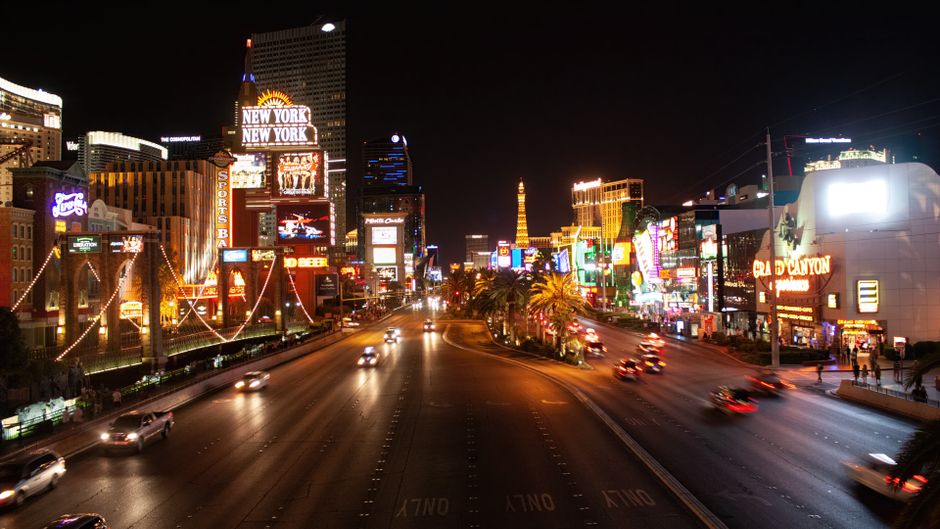
In this blog post, we’ll explore what the NHTSA says about drowsy driving, how impaired cognition from sleep deprivation compromises driving safety, and share practical tips for realistic daily drive planning. We’ll also include some modern travel budgeting hints involving banking and parking payment apps, and ways to separate travel and entertainment funds, ideal for drivers planning trips that might include stops at casinos or other leisure destinations.
Understanding Drowsy Driving According to NHTSA
Drowsy driving is the act of operating a vehicle while being in a state of decreased alertness or impaired cognition due to insufficient sleep or fatigue. The NHTSA estimates that each year drowsy driving causes thousands of crashes, injuries, and fatalities on U.S. roads.
Why Sleep is Critical for Safe Driving
The NHTSA emphasizes that no amount of “willpower” or alertness techniques such as caffeine consumption can substitute for adequate sleep. Sleep is the only real protection against fatigue-induced cognitive impairment. Lack of sleep slows reaction times, reduces attention, and impairs judgment — all of which are essential for the complex task of driving safely.
Key facts from NHTSA on drowsy driving:
- Adults need 7 or more hours of sleep for optimal functioning.
- Driving while sleepy can be as dangerous as driving impaired by alcohol.
- Nearly 100,000 crashes annually in the U.S. are linked to drowsy driving.
- Even one night of insufficient sleep can significantly reduce driving performance.
Impaired Cognition Driving: It’s Not Just About Tired Eyes
Drowsiness affects more than just the eyelids. The NHTSA points out that impaired cognition while driving due to lack of sleep results in:
- Reduced reaction times to hazards such as sudden stops or pedestrian crossings.
- Poor decision making and judgment errors that increase accident risk.
- Microsleeps: brief moments of sleep lasting seconds during which the driver is effectively not in control.
- Decreased concentration causing lane drifting and missed road signs.
In essence, fatigued drivers share many risks with intoxicated drivers. The NHTSA warns, “If you’re sleepy, don’t drive.”
Practical Tips for Realistic Daily Drive Planning
Whether you are driving long-distance or commuting daily, careful planning can help you avoid fatigue and stay safe on the road.
1. Plan Your Driving Day Realistically
- Set achievable daily driving limits: Don’t overschedule. NHTSA experts recommend limiting driving to 7-8 hours a day with frequent breaks.
- Incorporate buffer time: Leave extra time for rest stops, meals, or unexpected delays to lower stress and fatigue.
- Start trips well-rested: Prioritize sleep in the days before a long drive to ensure you begin safely alert.
2. Prioritize Driving Before Other Activities
If your travel includes stops such as visiting a casino or entertainment venue, remember the cardinal rule: Driving comes first, casino comes after parking.
Arrive, park your vehicle using efficient parking payment apps, and only then relax and enjoy your leisure time. This sequence helps reduce mad dashes that can increase stress or tiredness behind the wheel.
3. Use Technology Mindfully
Leverage useful smartphone apps to reduce stress and stay organized during your travel:
- Banking apps: Keeping separate travel funds for fuel, food, and accommodation helps control your budget.
- Parking payment apps: Tap-and-pay parking minimizes circling and searching, reducing cognitive load and fatigue.
Separate Travel Funds from Gambling or Entertainment Funds
It’s tempting to let your travel budget spill over into entertainment spending, especially when casinos or shows are on the itinerary. However, mixing funds can lead to dangerous situations such as:
- Running low on cash needed for fuel or emergency repairs.
- Increased stress worrying about money left for the drive home.
- Driving fatigued or distracted due to financial frustration.
Tip: Use your banking app to create distinct accounts or sub-wallets. Allocate specific amounts overnight casino stop for travel necessities and others for discretionary entertainment spending. This promotes discipline and safer driving conditions.
Emergency Reserve Planning: Always Have a Backup
Unexpected issues can disrupt even the best-laid plans. Here’s what NHTSA and expert travelers suggest:
- Keep an emergency reserve fund: For vehicle repairs, last-minute lodging, or medical needs.
- Carry essential supplies: Water, snacks, blankets, phone chargers, and a first-aid kit.
- Know rest areas and safe parking spots: In case fatigue hits hard, it’s better to pull over somewhere secure.
- Use apps to alert trusted contacts: Modern apps allow sharing real-time location and travel status as a safety net.
Sample Travel Planning Table with Built-in Buffers and Funds Separation
Item Planned Allocation Notes Daily Driving Hours 7 hours max Include short breaks every 2 hours Buffer Time 1-2 hours For delays, meals, and stretching Travel Fund (Fuel, Food, Lodging) $500 Separate banking app wallet recommended Entertainment Fund (Casino, Shows) $200 Access separate from travel fund Emergency Reserve $150+ Accessible cash or app walletConclusion: Prioritize Safety, Rest, and Smart Planning
The NHTSA’s clear message about drowsy driving is hard to ignore: Sleep is the only protection against impaired cognition behind the wheel. Fatigue is as dangerous as intoxication, and the consequences of driving while drowsy can be severe.

Successful and safe travel depends on realistic planning, placing the act of driving above all leisure activities, and utilizing modern tools like banking and parking apps to reduce stress and maintain budget discipline. Separate your gambling or entertainment spending from travel essentials, and always keep an emergency reserve.
Remember, no casino jackpot is worth risking your life or the lives of others. Plan your drives well, get enough sleep, and enjoy your trip safely.