What Makes Bingo Feel Social in the First Place?
Bingo has long been more than just a game of chance; it’s a communal experience that thrives on shared excitement and social bonding. But what exactly creates that deep sense of social connection? To answer this, we need to unpack the core elements that make bingo feel social—both in its traditional halls and in its modern online incarnations, facilitated by computers and smartphones.

The Bingo Community: More Than Just a Game
At its heart, bingo community refers to a collection of players who share a ritualistic leisure pastime. Traditionally, this community formed around specific venues—bingo halls—where the social routine brought people together regularly. The game’s appeal goes beyond prizes; it’s about spending time together, enjoying each other’s company, and sharing moments of excitement.
This communal aspect turns bingo from a solitary activity into a social ritual. Unlike games that rely heavily on competition or strategy, bingo’s simple rules create a level playing field accessible to people of all ages and backgrounds, encouraging inclusivity.
Accessibility and Simple Rules: The Social Glue
Why does bingo appeal to such a broad demographic? The simplicity is key. The rules are straightforward—mark off numbers on your card as they are called—making it easy to pick up with little or no prior experience. This low barrier to entry is not just convenient; it makes socializing effortless.
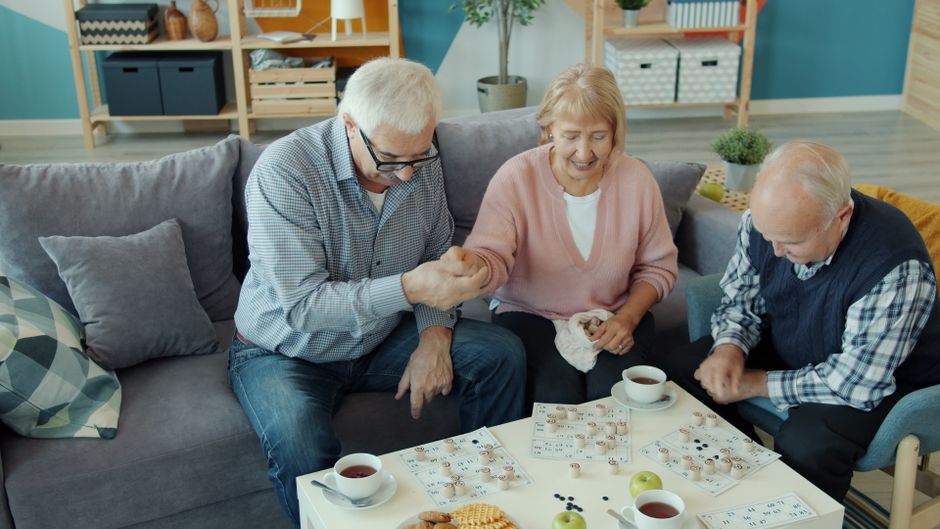
- Easy to learn: Participants are not bogged down by complex instructions, so conversations flow naturally during gameplay.
- Fast pace: Keeps attention focused and energy high, fueling shared excitement when someone gets close to winning.
- Inclusivity: People of different ages, mobility, and cognitive abilities can participate equally, expanding the social circle.
This means that the social routine in halls or online can focus on interaction, laughter, and community building—not on explaining complicated mechanics or rules. Everyone is engaged, which reinforces social bonds.
The Social Routine in Bingo Halls: Rituals that Build Community
Before digital migration, bingo halls were physical social hubs. The social routine around these venues shaped the bingo experience:
- Regular schedules: Players often returned weekly or even daily, turning bingo into a social ritual.
- Shared space: Being physically present in the same room amplified camaraderie.
- Live calling and reactions: The bingo caller’s voice alongside collective cheers or groans heightened engagement.
- Chat and banter: Informal chatting before, during breaks, and after games built friendships and a sense of belonging.
These recurring social cues created a cycle of anticipation and connection, weaving bingo into the fabric of daily life for many players. The anticipation of a number being called turned into a shared excitement that bonded players more deeply than just the prizes would.
Online Migration: Removing Geography, Expanding Community
Computers and smartphones have revolutionized how bingo communities form and interact, but the social aspects largely remain intact—sometimes even enhanced.
Online bingo eliminates geographic barriers. Players no longer need to live near a hall or coordinate travel; they can join games anytime, anywhere. This accessibility expands the bingo community globally, allowing people with similar interests to connect beyond local boundaries.
However, moving online required new approaches to preserve the social routine. Developers understood that simply replicating the number-calling in a digital interface wouldn’t be enough to maintain the shared excitement and community feel.
How Social Features Translate Online
- Chat rooms: Perhaps the most critical social feature, live chat during games mimics the banter and camaraderie from halls. Players exchange greetings, jokes, and encouragements, replicating face-to-face interactions in text form.
- Player profiles and avatars: Personalization helps users recognize frequent participants, fostering familiarity and a sense of belonging.
- Community events and tournaments: Scheduled events encourage regular participation and create social rituals in the virtual space.
- Emojis and reactions: Quick, expressive responses help maintain lively interaction and inject emotion into the gameplay.
These features illustrate that developers focus on creating not just a game interface but an environment where social interaction thrives naturally.
Shared Excitement: The Emotional Core of Social Bingo
Whether in a hall or online, the emotional rollercoaster of bingo is the glue holding the community together. The moment when a player is “one number away” sparks collective cheers or friendly tension. Everyone is invested in the game’s outcome because the experience is https://varimail.com/articles/what-stayed-the-same-when-bingo-went-digital/ shared.
This shared excitement does more than entertain—it generates social cohesion. When someone wins, others celebrate sincerely. When someone misses a win by one number, others empathize. This emotional interplay creates a network of social support and trust that underpins the bingo community.
Furthermore, the simplicity and repetitive nature of the game clone this social rhythm continuously, reinforcing bonding over time. Calls, markings, chat reactions—each step is a shared beat in the Click here for more info social routine.
Conclusion: Why Social Bingo Endures
Bingo’s social appeal is anchored in its accessibility, simplicity, and the shared moments that players experience together. The social routine in halls created in-person rituals that forged strong communities, while the online migration via computers and smartphones broadened these communities without diluting their core social fabric.
Technological advances have not changed what makes bingo social—they’ve simply expanded how and where those social connections form. The continued use of chat rooms and other social tools proves that community is central to bingo’s enduring popularity.
In short, bingo feels social because it is a game designed around shared, accessible, and emotional experiences. The community, both offline and online, thrives on these deeply human connections—something no tech change can replace.