Why Do Mobile Slots Feel Different from Desktop Slots?
The world of online slots has undergone a tremendous evolution, especially as mobile gaming continues to dominate user engagement. While slot enthusiasts might assume that playing a favorite slot game on desktop or mobile should feel similar, the truth is that mobile slots often deliver a distinctly different experience. From the intricacies of mobile slot layout and small screen UI to the nuance of touchscreen controls, these differences are reshaping how players interact with slots on the go.
The Shift from Simple Reels to Cinematic Presentation
Historically, slot machines were simple affairs—three or five spinning reels adorned with familiar symbols like fruits, BARs, and lucky 7s. On desktop, this format translated rather straightforwardly into online interfaces, as players had the screen real estate and processing power to appreciate static or mildly animated reels.
However, modern mobile slots are moving far beyond those simple reels. With technological advancements and changing player expectations, game developers have become storytellers. They have embraced cinematic presentation, turning slots into mini-movies with cutscenes, animated characters, and interactive Learn here features.
NetEnt, a pioneer studio known for pushing the boundaries of slot design, exemplifies this trend. Their mobile titles incorporate expansive world-building and dynamic audiovisual components that wouldn’t have been as impactful—or sometimes even feasible—on legacy desktop platforms.
Why mobile slots embrace cinematic elements:
- Compensate for smaller screens by grabbing player attention with engaging visuals.
- Create immersive environments that keep users invested during shorter play sessions.
- Support narrative-driven gameplay with story arcs and bonus rounds that feel like mini-adventures.
Theme and World-Building Doing More Work Than Symbols Alone
Ask yourself this: once upon a time, the symbols themselves told the story—classic fruit icons or playing card suits. Today, in mobile slots, these symbols have become part of a larger universe rather than primary storytelling tools. Themes extend beyond just aesthetic surface tweaks to encompass entire worlds with context, lore, and consistent character development.
Consider MrQ, a mobile-focused casino platform that features slots with deep thematic cohesion. Their games aren’t just about matching symbols on reels—they invite users into a world where every spin feels like exploration or confrontation, often accompanied by thematic soundtracks and animations tailored to the slot’s narrative universe.
This thematic attention also serves a practical purpose on mobile devices. Since small screen UI constraints limit how many elements can be clearly displayed at once, developers rely on holistic world-building to fill any perceptual gaps, ensuring gameplay feels rich and cohesive without cluttering the interface.
Big Game Libraries Forcing Visual Differentiation
This reminds me of something that happened made a mistake that cost them thousands.. The rise of mobile gaming has led to an explosion of slot titles. Operators like MrQ host hundreds (sometimes thousands) of slots, which means each game must stand out visually and experientially to capture player interest. This causes a development arms race where studios push unique art styles, varied gameplay mechanics, and innovative UI designs.
According to the Associated Press, the mobile casino sector faces intense competition to retain users, with slots increasingly acting as the flagship attraction. This competitive pressure is paralleled by the necessity to optimize the user interface for mobile devices, as merely porting desktop designs doesn’t suffice.
Visual differentiation on mobile is much more than skin-deep; it’s integrated into how users understand and navigate the game:
- Color schemes and contrast: Ensuring clarity on varied screen qualities and in different lighting conditions.
- Iconography: Distinct shapes and animations help symbols pop on small displays.
- Layouts: Designs that balance aesthetics with functional priority, streaming bonus info without overwhelming players.
Mobile-First UI and Touchscreen Controls Shaping Layouts
Perhaps the most obvious difference between mobile and desktop slots lies in how players interact with them. Desktop slots rely predominantly on mouse clicks and keyboard shortcuts, whereas mobile slots must leverage touchscreen controls that demand intuitive and ergonomic design choices.
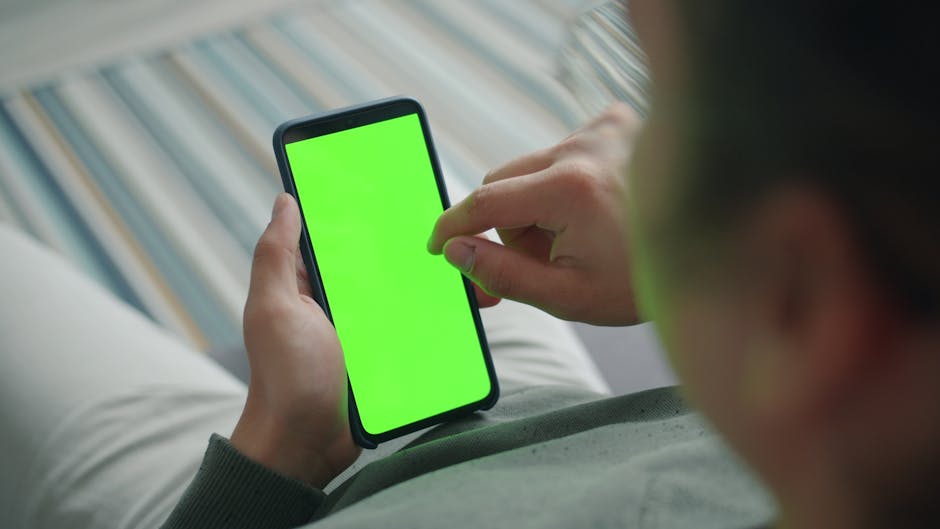
Game designers have embraced a mobile-first mindset, rethinking slot layouts to fit the nuances of tapping, swiping, and even multi-touch gestures. This has led to several notable changes in mobile slot layout:
- Larger buttons: Spin, bet, and menu controls are designed to be finger-friendly, reducing mis-taps and frustration.
- Minimalist overlays: Important game info and paytables can appear with seamless overlays that slide in and out, preserving screen real estate while keeping features accessible.
- Interactive bonus rounds: Touch-based interactions allow for engaging minigames that capitalize on tactile responsiveness.
Platforms like MrQ leverage user engagement tools such as Disqus comment integrations within their casino lobbies, fostering community discussions about gameplay mechanics and UI experiences directly on mobile. This direct feedback ecosystem pushes developers to refine touchscreen controls and layouts continuously.
How touchscreen design improves mobile slot usability:
Feature Benefit on Mobile Compared to Desktop Button size and spacing Reduces input errors & accommodates different finger sizes Desktop allows smaller buttons due to mouse precision Gesture support (swipe, tap) Enhances immersion with natural interactions Limited or no gesture utilization Dynamic overlays and animations Preserves clarity on small screens, offers feedback More static UI with fixed panels and windowsConclusion
The difference between mobile and desktop slots is a blend of technological evolution, shifting player expectations, and platform-specific design challenges. Mobile slots have transitioned from simple spinning reels to rich, cinematic experiences where theme and world-building create immersive narratives that transcend traditional symbol matching. The necessity for strong visual differentiation in crowded game libraries further pushes innovation in art and layout.
Critically, the rise of tactile gameplay via touchscreen controls has mandated a mobile-first approach to user interface design. Game layouts carefully balance accessibility and engagement to overcome the constraints of smaller devices. Tools like Disqus comment systems embedded in mobile platforms such as MrQ help developers gather real-time feedback on these changes, fostering continuous refinement.
As the Associated Press reports, the online slots landscape is ever more competitive and innovation-driven, with mobile at the forefront. For players, these differences enhance usability and excitement, making mobile slot gaming a fresh and compelling experience in its own right.